

Why moving a data center is actually the hardest part of digital transformation
The Physical Reality of a Digital Shift
In the current business landscape, we talk a lot about 'the cloud,' 'virtualization,' and 'seamless digital ecosystems.' These terms suggest a world where data is weightless and infrastructure is invisible. However, for any organization undergoing a true digital transformation, there comes a moment where the digital meets the physical. Whether you are consolidating offices, migrating to a colocation facility, or upgrading your on-site hardware, moving a data center is often the most stressful and complex part of the journey.
While software updates and cloud migrations can be rolled back with a few clicks, physical relocation involves heavy machinery, sensitive electronics, and the very real risk of downtime. It is the point where global mobility strategy must account for hardware as much as it does for people. In this guide, we will explore why the physical move is such a hurdle and how you can approach it with a practical, risk-averse mindset.
Why Moving Hardware is High-Stakes
When we discuss digital transformation, we often focus on the 'end state'—the faster processes and better user experiences. But the transition period is where the danger lies. Moving a data center isn't just about moving boxes; it’s about transporting the brain of your organization. Here is why it is uniquely challenging:
1. The Risk of Physical Damage
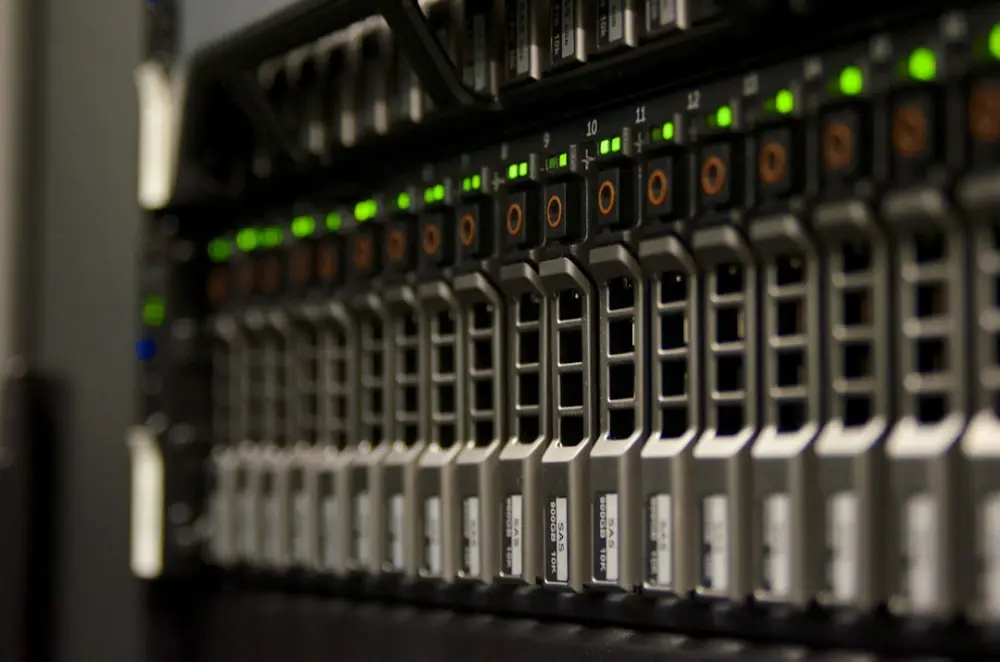
Server racks and storage arrays are not designed for travel. They are built to sit in climate-controlled, vibration-free environments. Moving them involves exposing them to humidity changes, physical shocks, and static electricity. A single hairline crack in a motherboard or a failed hard drive during transit can result in catastrophic data loss or weeks of troubleshooting.
2. Complex Interconnectivity
If you have ever looked at the back of a server rack, you know the 'spaghetti' of cabling that exists. Every cable represents a point of failure. Mapping these connections, ensuring they are labeled correctly, and replicating that architecture in a new location requires meticulous attention to detail that software-only migrations simply don't demand.
3. The Downtime Window
In a global economy, there is no 'good' time for a system to be offline. Data center moves usually require a hard shutdown. Every hour the hardware is in a truck is an hour your business is potentially paralyzed. Managing this 'dark period' requires a level of logistical precision that goes beyond standard IT project management.
A Practical Checklist for a Successful Relocation
To mitigate these risks, you need a plan that treats the move as a logistical operation rather than just an IT task. Here is a step-by-step approach to ensuring your hardware arrives safely and stays functional:
- Perform a Full Inventory Audit: Before a single cable is unplugged, document every piece of equipment, its serial number, and its current health status. You cannot manage what you haven't measured.
- Validate Your Backups: This is the most critical step. Ensure you have full, verified backups stored in a completely different physical location or a secure cloud environment. Never move your hardware and your only backup in the same vehicle.
- Create a Detailed Cable Map: Use color-coded labels and photographic documentation. Knowing exactly where each fiber optic cable and power lead goes will save you days of frustration during the reassembly phase.
- Engage Specialized Logistics Partners: General moving companies are not equipped for data centers. Use partners who understand 'white glove' service, featuring air-ride suspension vehicles and climate-controlled transport.
- Insurance and Contingency: Ensure your transit insurance covers the replacement value of the hardware and the cost of data recovery. Always have a 'Plan B' for your most critical services.
Integrating Physical Moves into Global Mobility
At Britannia Direct, we often see businesses focus heavily on the 'Smart Travel' side of their workforce—ensuring employees can work from anywhere—while neglecting the physical infrastructure that makes that work possible. A truly smart global mobility strategy recognizes that as your workforce moves and your business expands into new territories, your data center footprint must follow efficiently.
Digital transformation is not an 'all or nothing' move to the cloud. Many businesses maintain a hybrid model for security, latency, or cost reasons. This means that as you scale, you will inevitably face the challenge of physical relocation. By treating these moves with the same strategic rigor as you do your workforce travel and talent relocation, you turn a potential liability into a streamlined process.
Final Thoughts on the Physical Side of Digital
Moving a data center is the hardest part of digital transformation because it leaves no room for error. It is the bridge between the theoretical speed of digital business and the cold, hard reality of physical logistics. However, with a practical approach, the right partners, and a focus on detail, you can navigate this transition without the headaches.
Remember, a successful move isn't just about getting the boxes from point A to point B; it’s about ensuring that when you hit the power button at the new site, your business doesn't just start up—it thrives. If you are planning a significant shift in your business operations, consider how your physical assets fit into your broader mobility strategy. The smoothest transformations are those that respect the hardware as much as the software.


Why the way businesses move their people is finally getting smarter
The Great Shift: From Logistics to Intelligence
For decades, the concept of corporate relocation was synonymous with a mountain of paperwork, the physical hauling of crates, and a logistical headache that many human resources departments viewed with dread. It was a fragmented process—a series of disconnected events involving shipping agents, real estate brokers, and travel coordinators. However, a quiet revolution has taken place. The way businesses move their people is finally getting smarter, transitioning from a reactive necessity to a proactive, data-driven strategy known as global mobility.
Ultimately, organizations that successfully implement smart travel solutions are better positioned to drive long-term business growth while effectively managing a global workforce.
This shift isn’t just about moving a person from Point A to Point B. It is about the convergence of technology, sustainability, and a fundamental change in how we value the employee experience. In an era where talent is the most valuable currency, the friction of relocation is being smoothed away by intelligent solutions that prioritize both the business’s bottom line and the human being at the center of the journey.
Data-Driven Decisions in a Borderless World
The primary catalyst for this change is the democratization of data. Historically, businesses lacked a centralized view of their global workforce’s movement. Today, integrated mobility platforms provide real-time insights into costs, compliance risks, and carbon footprints. When a company decides to move an executive to a new territory, they are no longer guessing at the logistical hurdles.
Artificial Intelligence (AI) and predictive analytics are now at the forefront of this evolution. By analyzing historical patterns, companies can predict potential delays in shipping routes, anticipate visa processing times, and even identify the most cost-effective periods for relocation. This 'smart' approach allows for better resource allocation and minimizes the hidden costs often associated with traditional removals and storage.
The Rise of the Employee-Centric Journey
Perhaps the most significant change is the move toward personalization. The 'one-size-fits-all' relocation package is rapidly becoming a relic of the past. Modern global mobility strategies recognize that a young tech professional moving to a city center has vastly different needs than a senior executive relocating with a family of four. Smarter businesses are adopting flexible models that empower employees to choose their own services through curated digital marketplaces.
- Virtual Surveys: Using smartphone technology to assess moving requirements without an on-site visit.
- Digital Concierges: AI-powered assistants that provide 24/7 support for settling-in tasks like finding schools or setting up utilities.
- Well-being Tracking: Monitoring the stress levels and adaptation progress of employees to ensure long-term retention.
Sustainability: The New Mandate for Global Movement
As global corporations commit to Net Zero targets, the environmental impact of moving people and their belongings has come under intense scrutiny. The 'smarter' way to move is, by definition, the greener way. We are seeing a shift away from high-emission shipping methods toward more optimized logistics. This includes the use of electric vehicle fleets for local removals and the strategic use of storage solutions to reduce unnecessary international transit.
Intelligent mobility also means rethinking what actually needs to be moved. The 'move everything' mentality is being replaced by 'move what matters.' Businesses are now encouraging employees to utilize local furniture rental services or sustainable disposal options, reducing the weight of shipments and, consequently, their carbon footprint. This alignment of environmental responsibility with operational efficiency is a hallmark of the modern mobility era.
Bridging the Gap Between Travel and Relocation
Traditionally, business travel and corporate relocation existed in separate silos. This division is finally collapsing. The concept of 'smart travel' now encompasses everything from a three-day business trip to a three-year international assignment. By treating all movement as part of a single ecosystem, companies can leverage their scale to negotiate better rates with providers and ensure a consistent level of care for their staff.
This integration is facilitated by smart travel management software that syncs with HR systems. When travel and relocation data live in the same place, organizations can see the 'total cost of mobility,' allowing for more strategic decision-making regarding global expansion and talent deployment.
The Future of Frictionless Mobility
Looking ahead, the trend toward smarter movement shows no signs of slowing. We are entering an age of 'frictionless mobility,' where the physical boundaries of the office matter less than the connectivity of the workforce. Key drivers of this future include:
- Blockchain for Compliance: Secure, immutable records for visas, tax documents, and contracts to speed up border crossings.
- Hyper-Localized Storage: Using decentralized storage networks to keep goods closer to the employee's destination, reducing long-haul costs.
- Predictive Risk Management: Using geopolitical data to proactively reroute travel and relocation paths during times of instability.
A New Era for Global Operations
The evolution of global mobility is more than just a technological upgrade; it is a cultural shift. It acknowledges that moving people is a complex human experience that requires a sophisticated, empathetic, and data-backed approach. As businesses continue to expand across borders, the organizations that thrive will be those that embrace these smarter ways of moving.
By integrating smart travel solutions with modern removals and storage strategies, companies are doing more than just saving money—they are building a more resilient, agile, and satisfied global workforce. The way we move has finally caught up with the way we work: it is fast, flexible, and, above all, intelligent.

Why Intelligent Mobility Is the Key to Sustainable Global Operations
In the modern economy, mobility defines competitiveness. As global operations expand across borders, time zones, and digital networks, the need for intelligent mobility systems has never been greater. It’s no longer just about moving people — it’s about connecting data, sustainability, and business intelligence to create smarter, more resilient global operations.
Intelligent mobility integrates technology, analytics, and environmental strategy to transform how organizations manage travel, logistics, and workforce coordination. It’s the cornerstone of sustainable growth in an increasingly unpredictable world.
The Shift from Traditional Mobility to Intelligent Systems
Conventional corporate mobility models relied on fragmented processes, manual management, and outdated infrastructure. These systems often led to inefficiencies, high carbon footprints, and poor visibility across travel and logistics operations.
In contrast, intelligent mobility is powered by automation, real-time analytics, and data-driven insights. It allows organizations to:
- Optimize travel and transport routes to reduce emissions and costs
- Integrate sustainability goals directly into mobility planning
- Enable seamless coordination between global teams and assets
- Improve safety, compliance, and decision-making accuracy
This shift represents a strategic evolution — where every movement, from business trips to freight shipments, is optimized for both performance and responsibility.

Sustainability as a Core Operational Driver
Sustainability is no longer a corporate slogan — it’s an operational mandate. Companies with large mobility footprints are under increasing pressure to reduce their environmental impact while maintaining efficiency.
Intelligent mobility provides the data and tools to achieve this balance. Through carbon tracking, green route optimization, and smart infrastructure partnerships, businesses can align growth with environmental accountability.
In a global market where ESG performance influences investor confidence and customer trust, sustainable mobility becomes a business differentiator, not an afterthought.
Data Intelligence: The Engine Behind Smart Decisions
At the core of intelligent mobility lies data intelligence. By consolidating travel, logistics, and operational data into a single ecosystem, businesses gain the power to make faster, evidence-based decisions.
Predictive analytics can forecast mobility demand, identify inefficiencies, and suggest improvements in real time — from reducing travel-related emissions to optimizing scheduling for global teams.
In essence, data doesn’t just inform — it empowers. It enables businesses to turn complex mobility operations into streamlined, measurable systems that drive long-term sustainability.
Building the Framework for Global Agility
A sustainable operation is an agile operation. Intelligent mobility supports global agility by ensuring that resources, people, and assets move with purpose, efficiency, and foresight.
By integrating AI-driven automation, IoT connectivity, and renewable energy logistics, organizations can reduce costs, improve transparency, and maintain resilience in an ever-changing global landscape.
The result is a sustainable ecosystem — where technology, people, and purpose align seamlessly to achieve operational excellence.
The Future of Global Operations
The businesses leading tomorrow’s markets will be those that invest in intelligent mobility today. Whether optimizing global travel, streamlining logistics, or advancing ESG commitments, the integration of smart, data-centric systems is the foundation for sustainable success.
Intelligent mobility is not just a competitive advantage — it’s the future of responsible global operations.

Smart Travel Management: 7 Strategies for a More Efficient Global Workforce
In today’s interconnected economy, global mobility has become a strategic business asset — not just a logistical necessity. As organizations expand across borders, managing business travel efficiently is critical to maintaining productivity, compliance, and employee satisfaction.
Smart travel management goes far beyond booking flights and hotels. It integrates technology, policy, and data intelligence to streamline mobility, reduce costs, and empower a more agile global workforce.
Here are seven proven strategies to help businesses optimize travel operations and achieve measurable efficiency gains.
1. Implement Centralized Digital Travel Platforms
Fragmented travel processes often lead to inefficiency, overspending, and lack of visibility. A centralized digital travel management system (TMS) solves these challenges by consolidating bookings, expenses, and reporting in one place.
This allows HR, finance, and operations teams to collaborate seamlessly, while giving employees a unified interface for managing travel plans with ease.
Pro Tip: Choose a TMS that integrates with your existing HR and finance systems to enhance automation and reduce administrative workload.
2. Use Data Analytics to Drive Smarter Decisions
Data-driven insights are the foundation of smart travel. By analyzing travel data, companies can uncover trends, track spending patterns, and identify cost-saving opportunities.
Predictive analytics also help forecast future travel demands, optimize vendor contracts, and manage budgets more effectively. In essence, data turns mobility into a measurable, strategic advantage.
3. Prioritize Traveler Experience and Wellbeing
Efficiency isn’t just about numbers — it’s about people. A fatigued or frustrated traveler can impact performance and morale. Smart travel management emphasizes wellbeing through convenience, safety, and comfort.
Allow flexible booking, personalized travel options, and support for wellness initiatives like rest periods and ergonomic travel policies. Happier travelers are more productive and loyal.
4. Ensure Policy Compliance Through Automation
Manual compliance management is inefficient and error-prone. Automated travel policies embedded into booking platforms ensure every transaction aligns with company standards — from budget limits to preferred vendors.
Automation reduces approval times, enforces consistency, and minimizes risk — especially when operating across multiple jurisdictions.
5. Integrate Sustainable Travel Practices
Sustainability is no longer optional in corporate travel. Organizations must measure and reduce their carbon footprint while maintaining operational agility.
Smart travel management platforms enable CO₂ tracking, greener route selection, and preference for eco-certified partners. This not only reduces environmental impact but also enhances a company’s ESG credibility.
6. Leverage Mobile Technology for Real-Time Adaptability
A truly global workforce is always on the move — and so should be its travel management tools. Mobile-first solutions empower travelers to manage itineraries, submit expenses, and receive alerts in real time.
From last-minute flight changes to instant support, mobility equals adaptability — a key factor in maintaining efficiency in unpredictable markets.
7. Foster Cross-Department Collaboration
Effective travel management is a collaborative effort. Encourage alignment between HR, finance, operations, and sustainability teams to create cohesive policies and shared accountability.
Regular feedback loops and performance reviews ensure continuous improvement — turning travel management from an operational task into a strategic growth enabler.
Building the Workforce of the Future
In a digital-first business world, smart travel management isn’t just about logistics — it’s about empowering a borderless workforce. By combining data intelligence, automation, and human-centered policies, organizations can achieve both efficiency and employee satisfaction.
The result? A truly global, agile, and resilient enterprise ready to thrive in the future of work.

The Future of Global Mobility: How Smart Travel Solutions Drive Business Growth
In an era where business transcends borders, global mobility has evolved into a strategic pillar for growth and competitiveness. The days of static operations and manual travel management are over. Today, smart travel solutions — powered by data, automation, and connectivity — are redefining how companies move people, manage resources, and expand globally.
Global mobility is no longer just about getting from one destination to another. It’s about creating a seamless, secure, and efficient ecosystem where travel fuels productivity, collaboration, and opportunity.
The New Era of Global Mobility
The post-pandemic world accelerated the demand for digitally integrated mobility systems. Businesses now seek travel infrastructures that support flexibility, ensure compliance, and optimize costs — all while enhancing employee experience.
From AI-driven booking platforms to real-time expense tracking and predictive travel analytics, smart travel technology is reshaping corporate mobility. It empowers organizations to make informed decisions, cut inefficiencies, and maintain resilience in an increasingly dynamic global market.
How Smart Travel Solutions Empower Business Growth
1. Operational Efficiency and Cost Optimization
Traditional travel management often led to overspending, manual errors, and lack of visibility. Modern mobility solutions automate every stage — from itinerary planning to reimbursement — delivering real-time insights that reduce waste and improve budget accuracy.
Businesses that adopt these systems see measurable improvements in productivity and financial control. Every data point collected contributes to smarter forecasting and resource allocation.
2. Enhanced Employee Experience
Employee mobility is central to modern business success. Whether relocating teams or managing frequent business trips, a frictionless experience matters. Smart travel platforms streamline approvals, preferences, and compliance, allowing employees to focus on performance instead of logistics.
When travel becomes an enabler rather than an obstacle, satisfaction and retention rise — directly strengthening organizational stability and culture.
3. Compliance and Risk Management
Global expansion introduces complexities — tax regulations, visa compliance, and duty-of-care obligations. Intelligent mobility systems track these variables automatically, minimizing legal exposure and ensuring policy consistency across regions.
By embedding compliance into travel processes, companies protect both their workforce and their reputation.

4. Sustainability Through Smart Mobility
Sustainable business travel is no longer optional. Smart travel solutions integrate carbon tracking, eco-friendly routes, and greener transport options, enabling organizations to reduce their environmental impact while maintaining global reach.
This not only aligns with ESG goals but also strengthens brand integrity among stakeholders who value responsibility.
The Strategic Advantage of Connected Mobility
Forward-thinking companies understand that mobility is strategy. Investing in intelligent travel systems is investing in business agility. With real-time visibility into travel data, companies can anticipate trends, negotiate better vendor rates, and even optimize team deployment globally.
Smart mobility also enhances collaboration between departments — linking HR, finance, and operations into one integrated system that supports faster decision-making and sustainable growth.
Looking Ahead: Mobility as a Business Catalyst
As technology continues to evolve, the future of global mobility lies in seamless interoperability — where travel, communication, and analytics converge into one unified experience.
Businesses that embrace these innovations won’t just move faster; they’ll move smarter — using mobility as a lever for transformation, innovation, and expansion.
The message is clear: in a world where borders blur and competition intensifies, smart travel isn’t a cost — it’s a growth engine.